Understanding the Trauma-Disease Connection
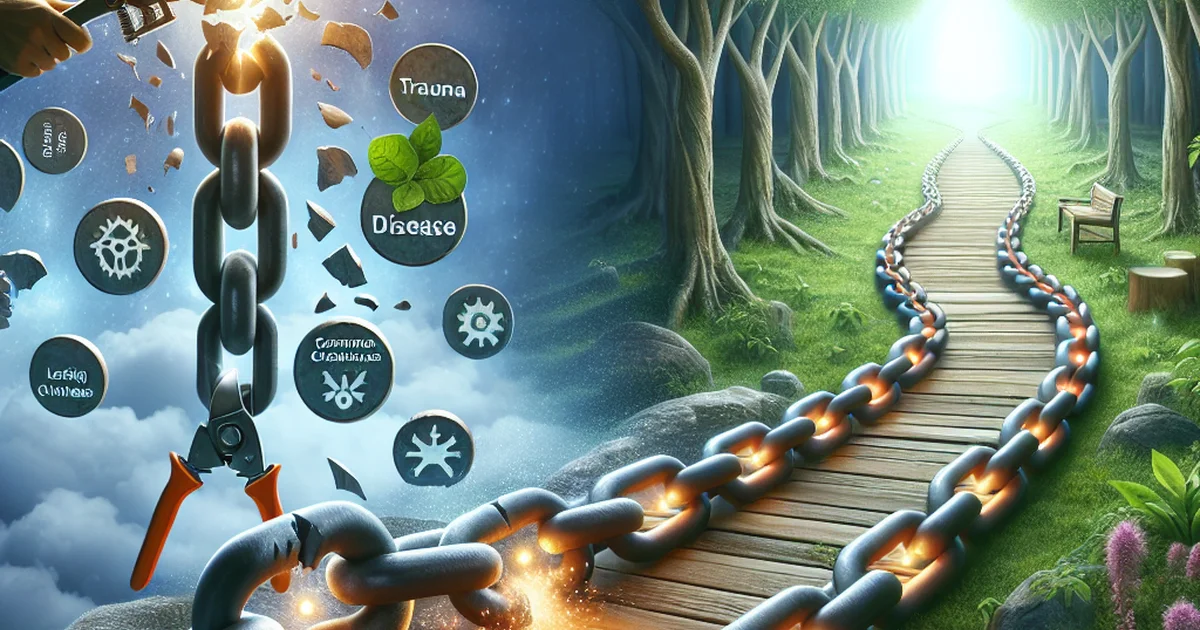
Research shows that traumatic experiences, whether physical or emotional, can have profound impacts on physical health. Trauma activates the body’s stress response, triggering a cascade of hormonal and immune changes that may increase susceptibility to chronic diseases such as heart disease, diabetes, and autoimmune conditions.
Recognizing Signs of the Trauma-Disease Cycle
- Recurrent physical symptoms without clear medical cause
- Frequent feelings of anxiety, fear, or unexplained sadness
- Habitual stress that exacerbates physical health issues
- Difficulty forming healthy lifestyle patterns
Strategies for Breaking the Trauma-Disease Cycle
Breaking the trauma-disease cycle requires both awareness and intentional interventions. Below are key strategies for healing:
- Trauma-Informed Care: Seek healthcare providers trained in trauma-informed approaches to ensure respectful and sensitive support.
- Mental Health Therapy: Engage in evidence-based therapies such as cognitive-behavioral therapy (CBT), EMDR, or somatic therapy, which help process traumatic memories.
- Mind-Body Practices: Begin regular practices such as mindfulness meditation, yoga, or tai chi to reduce stress and help regulate the nervous system.
- Build Support Networks: Connect with others through support groups or trusted friends and family to foster a sense of safety and belonging.
- Healthy Lifestyle Adjustments: Adopting a diet rich in whole foods, maintaining regular physical activity, and ensuring sufficient sleep can help the body recover and resist disease progression.
When to Seek Professional Help
If trauma-related symptoms are interfering with your health or daily life, consulting a licensed mental health professional or trauma-informed physician is essential. Early intervention can prevent the escalation of health issues and promote faster recovery.
Long-Term Wellness is Possible
Breaking the trauma-disease cycle takes time, self-compassion, and the right support systems. With persistence and evidence-based approaches, individuals can regain their health, build resilience, and enjoy a higher quality of life.